
If you searched for carbs at night weight gain, you probably found advice that is either too simplistic or too extreme. Fitness content often makes healthy habits look harder than they need to be. This guide is written to give you a clear, practical way to stop fearing dinner and use carbohydrates with better judgment.
Use this article as educational content, not as a replacement for individual medical, nutrition, or exercise guidance. If you have pain, a chronic condition, a history of disordered eating, pregnancy, medication use, or symptoms that get worse with diet or exercise, work with a qualified professional.
Quick answer
Carbs at night do not cause fat gain by themselves. Weight change depends on total intake, food quality, activity, sleep, and consistency. Timing may affect digestion and sleep for some people, but it is not a magic rule.
The main idea is consistency. A simple plan repeated for several weeks usually beats an aggressive plan that only lasts a few days.
The timing myth is incomplete
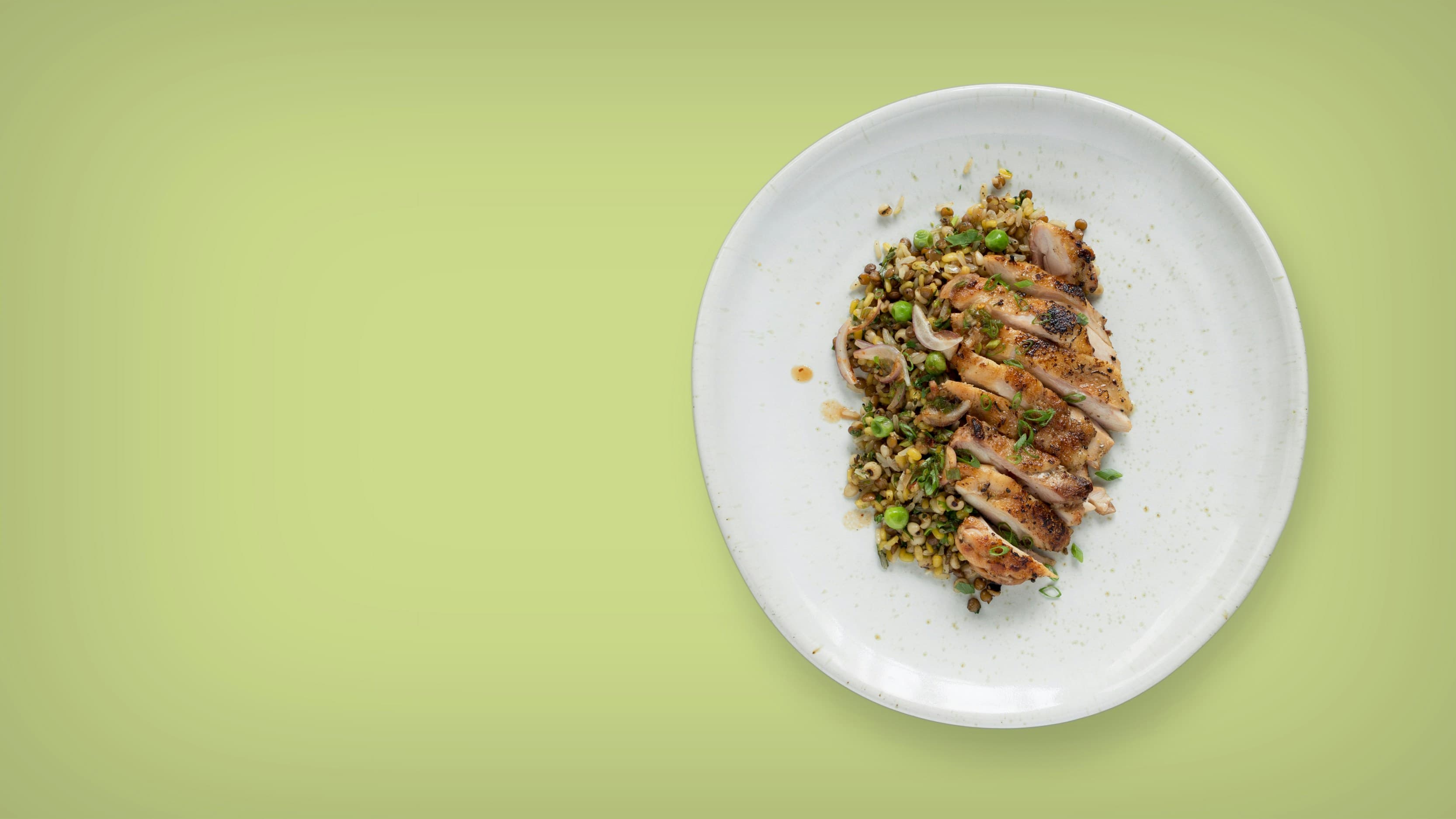
Many people lose weight after cutting carbs at night because they also cut total calories. The result usually comes from the energy reduction, not from the clock. A dinner with rice, beans, vegetables, and protein can be more useful than uncontrolled low-carb snacks.
When reducing evening carbs makes sense
If large late meals make you sleep poorly or you tend to overeat at night, adjust portions and timing. That does not mean banning carbohydrates. It means using a portion that fits your appetite, activity, and total day.
Quality matters before fear
Potatoes, rice, beans, oats, fruit, and whole grains are different from candy, soda, and ultra-processed desserts. The type of carbohydrate affects fiber, fullness, micronutrients, and how easy it is to stop eating.
Practical step-by-step
Notice whether night hunger is physical hunger, habit, or stress.
Fill half the plate with vegetables when possible.
Add protein so dinner is satisfying.
Use one moderate carbohydrate portion.
Avoid very large meals right before bed if they hurt your sleep.
Quick comparison
| Dinner pattern | Usually helps | Can hurt |
|---|---|---|
| Rice, beans, protein, salad | Balanced fullness | Too much oil or repeated portions |
| Soup with vegetables and meat or tofu | Volume and comfort | Too little protein |
| Homemade sandwich | Convenience | Heavy sauces and oversized fillings |
Common mistakes to avoid
- blaming only the time of day.
- cutting carbs and compensating with too much fat.
- eating too little dinner and snacking later.
Be careful with any promise that guarantees dramatic results in a few days. The body responds to sleep, food quality, training stimulus, stress, age, genetics, medication, and daily routine. A plan should improve your life instead of constantly competing with it.
How to know it is working
Use both objective and subjective markers. Weight, waist measurement, training loads, repetitions, steps, and photos can be useful. Hunger, energy, sleep, mood, digestion, and adherence are just as important because they show whether the plan can survive a normal week.
Review progress weekly instead of hourly. Ask three questions: Did I repeat the basics most days? Did my energy stay acceptable? Am I moving closer to the goal without damaging my relationship with food, training, or rest? If the answer is no, adjust the dose before abandoning the whole plan.
A simple 7-day implementation plan
Treat the next seven days as a test. On day one, choose one small action from this article. On days two and three, repeat the same action so you do not have to redesign the plan. On day four, identify what made the action difficult: time, hunger, fatigue, shopping, environment, social pressure, or unrealistic expectations.
On days five and six, adjust one variable only. Make the workout shorter, prepare one meal in advance, move caffeine earlier, simplify breakfast, walk after lunch, or sleep 20 minutes earlier. On day seven, review what felt repeatable. The goal is not to prove willpower; it is to discover the version of the habit you can actually keep.
Checklist before moving forward
- The basic action was repeated on most days.
- The strategy did not harm sleep, mood, or your relationship with food.
- You know the next small step.
- The plan fits a normal week, not only a perfect week.
When to seek professional guidance
Get individualized support from a physician, registered dietitian, or qualified exercise professional if you have a chronic disease, persistent pain, dizziness, a history of eating disorders, pregnancy, medication use, or any symptom that worsens with diet or exercise. Good articles can organize your decisions, but they cannot evaluate your personal medical context.
Conclusion
Do Carbs at Night Make You Gain Weight? What Actually Matters does not need to be confusing. Start with the basics, apply them long enough to get real feedback, and adjust based on how your body and routine respond. Sustainable results are built from small decisions repeated well.
Next step: Test a balanced dinner for seven nights before deciding to remove a whole food group.